
7 kW charging
A practical overnight option for regular daily driving, subject to supply and load checks.
Property + vehicle checkedHome EV charging
A charger matched to the vehicle, the switchboard and the energy available at your Perth home.
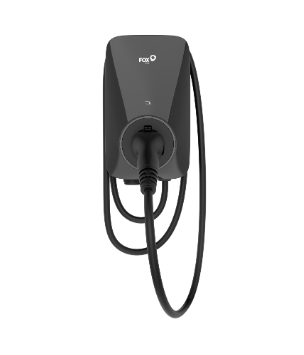
The useful charging speed
The vehicle’s onboard charger, daily kilometres, available supply and charging window decide whether more headline speed adds real value.
A practical overnight option for regular daily driving, subject to supply and load checks.
Property + vehicle checkedHigher AC rates where both the vehicle and electrical supply can actually use them.
Not every vehicle accepts 22 kWCompatible equipment can adjust charging around available solar and household demand.
Monitoring compatibility mattersUseful before the quote
A few clear photos can make the first conversation much more accurate.
Door open and closed, with labels visible where safe.
Where the charge port sits when the vehicle is parked.
The path between switchboard and garage or driveway.
Inverter and monitoring details if solar-aware charging is a goal.
So connector type and maximum AC charge rate can be checked.
Solar + car + home
Solar-aware charging can be useful when the vehicle is home during generation hours, but it needs the right charger, metering and control setup.
If the car usually arrives after sunset, a battery or off-peak grid plan may play a bigger role. PSA can explain the trade-offs without treating every home the same.
Explore solar planning ↗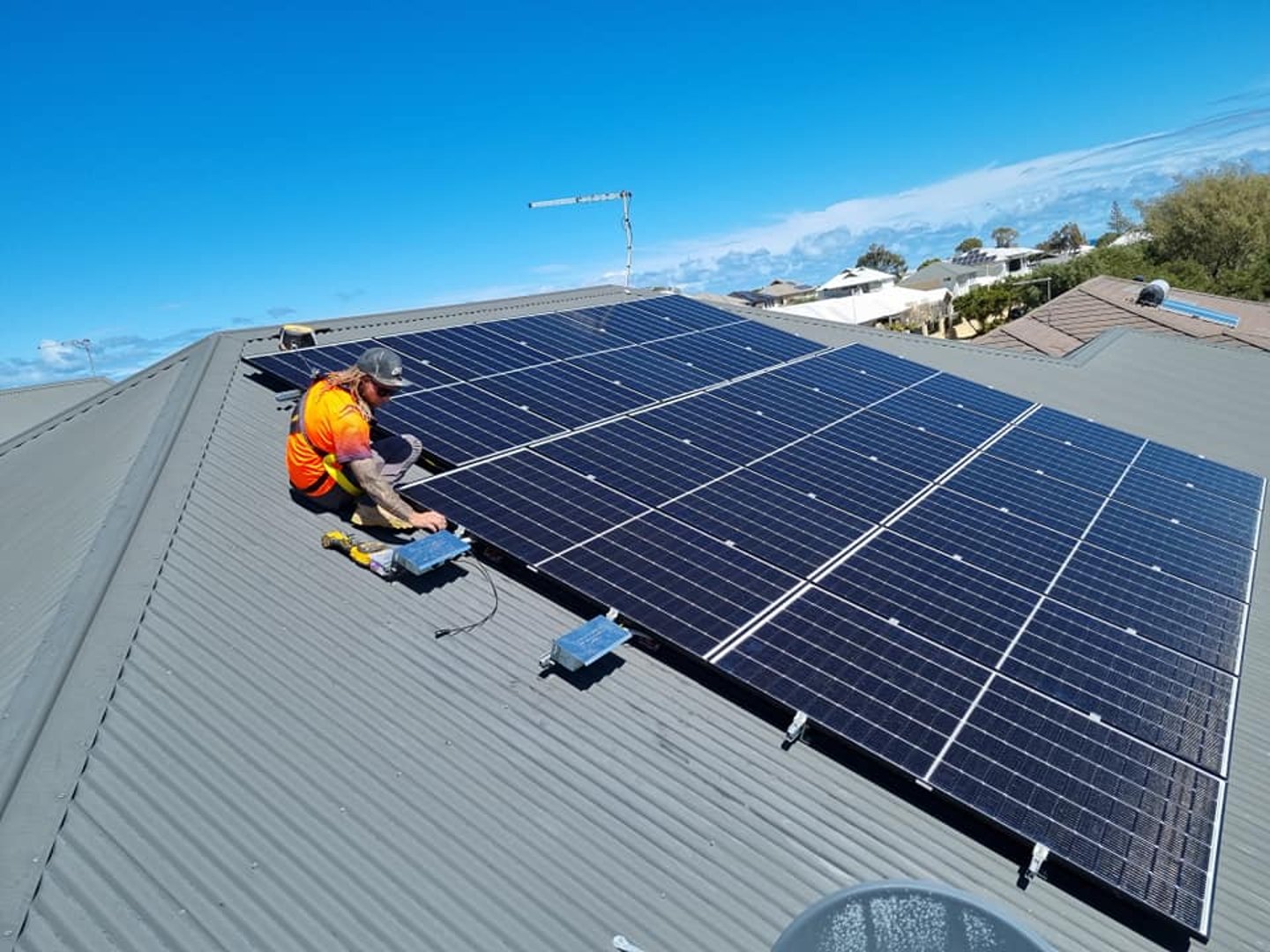
From driveway to charging
Vehicle limits and daily use guide the useful charging rate.
Phase, switchboard, loads and cable route are reviewed.
Smart, solar-aware and load-management features are matched carefully.
Protection, settings, app access and operation are checked at handover.
EV charging questions
Email the vehicle and switchboard details to sales@psawa.com.au.
A dedicated charger is designed for regular EV charging and is installed with its own correctly selected circuit, protection and cable. PSA still checks the switchboard, supply and vehicle before confirming the equipment and charging rate.
No. A 7 kW charger is a practical option for many single-phase homes. Three phase is required for higher AC charging rates.
No. The vehicle's onboard AC charger sets its maximum rate. The property supply and charger must also support that rate.
Compatible load management can reduce charger demand when the rest of the home is using more power. Whether it is required depends on the available supply, household loads and charger selected.
Selected charger and monitoring combinations can vary charging around available solar generation. Compatibility is checked before equipment is recommended.
Many smart chargers can use app schedules, but functions vary by model and may depend on a reliable data connection. PSA confirms the available controls before installation.
The position needs to suit the parking layout, vehicle charge port, cable reach, weather exposure and a practical route back to the switchboard. Indoor and outdoor options are assessed on site.
Cable route, switchboard work, protection, phase, load management, trenching or difficult access can all affect the final scope.
Yes. Even when one charger is installed now, PSA can consider switchboard capacity, cable routes, load management and the likely parking arrangement for a future vehicle.
Bringing an EV home?